
Author: orbiegotinbe

  • How to pick a deck width

    How to pick a deck width

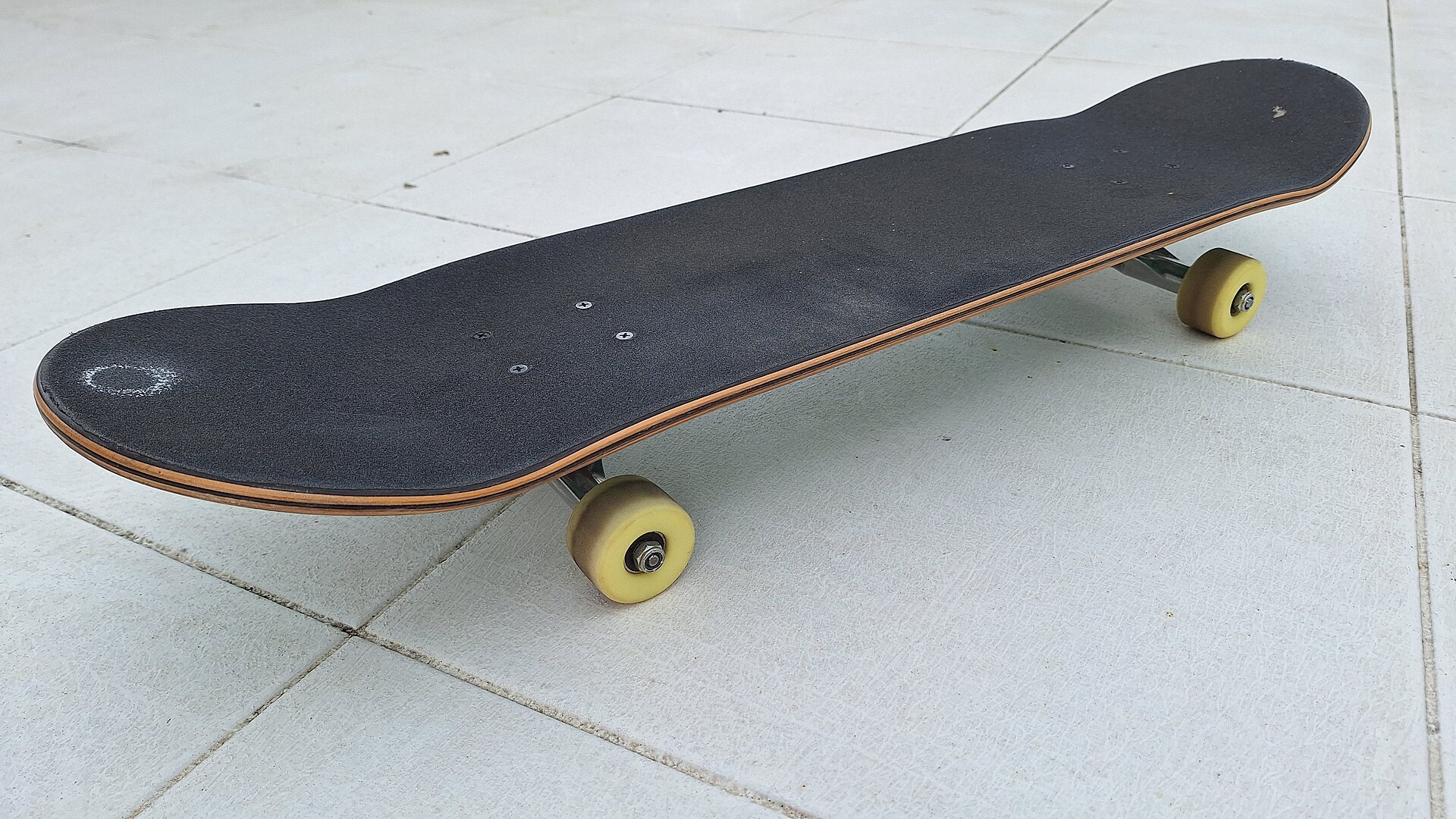
    Width is the main choice you make when buying a deck. Length and wheelbase follow from it, and concave is a matter of taste. Here is a simple way to narrow it down.

    Rough guide by size

    • 7.75″ to 8.0″: lighter and quicker to flip. Suits technical street skating and smaller feet.
    • 8.125″ to 8.5″: the middle ground most people ride. Works for street, parks and a bit of transition.
    • 8.5″ to 9.0″: more stable on ramps, bowls and at speed. Slower to flip.
    • 9.0″ and up: shaped boards, reissues and cruisers. Built for pools, transition and carving.

    What else to think about

    Shoe size is a starting point, not a rule. If your feet hang well over the edges, go wider. What you skate matters more: flip tricks reward a narrower board, and transition rewards a wider one.

    If you are unsure, start at 8.25″. It is the most common size, every brand makes it, and you will know after a few weeks whether you want more or less board.

    You can compare sizes across this season’s boards on the new decks page.

    Photo: Enoch Leung, CC BY-SA 2.0, via Wikimedia Commons
  • Why 80s reissues keep coming back

    Why 80s reissues keep coming back

    Santa Cruz’s holiday drop brings back four boards from the 1980s: the Salba Tiger, the Meek Slasher, the Hosoi Collage and the Jammer. Each returns in its original shape with a new colour dip. Reissues like these now arrive several times a year.

    Who buys them

    Some go straight on a wall. The graphics from that decade are among the best known in skating, and a reissue costs far less than an original. Others get set up and skated. A ten-inch board with a wide tail and a short nose is a good fit for pools, bowls and cruising.

    What makes a reissue

    A true reissue uses the original shape and graphic, often screen printed by hand as the first run was. Brands also release old graphics on modern popsicle shapes, which are easier to ride for most people. Listings usually say which one you are getting.

    Why it works

    Skating has a long memory. The riders who made these boards famous still skate, and wider shaped boards have come back into everyday use. The old shapes no longer look out of place at a park.

    Sizes for the current drop are on the new decks page.

    Photo: Ncapamaggio, Public domain, via Wikimedia Commons

  • What a skateboard deck is made of

    What a skateboard deck is made of

    Almost every deck on a shop wall is built the same way: seven thin sheets of hard maple, glued together and pressed into shape. The differences are in the details.

    The wood

    Hard rock maple from North America is the standard because it is dense, springy and holds its shape. The plies alternate in grain direction. Most run nose to tail, and two run side to side to stop the board twisting.

    The glue and the press

    The glue matters as much as the wood. Stiffer glues give a board more pop and keep it for longer. The stack is then pressed in a mould that sets the concave and the kick of the nose and tail. Boards pressed one at a time tend to be more consistent than boards pressed in a stack.

    Reinforced decks

    Several brands add fibre layers to make a board thinner, lighter or longer lasting. Powell Peralta’s Flight decks and Santa Cruz’s VX line are two examples. They cost more than standard maple, and many skaters find they keep their pop for longer.

    Why decks wear out

    Pop fades as the wood fibres break down and the board soaks up moisture. Chipped noses and tails, pressure cracks near the trucks and a soggy feel are the signs it is time for a new one.

    Photo: Cynroya, CC0, via Wikimedia Commons